A plush toy often feels different after months of bedtime cuddles, play, and washing. Its once-smooth fabric may become flat, rough, or slightly matted. Many caregivers eventually ask, “why do plush toys lose their softness over time”? The answer is rarely one cause. Repeated friction presses down the fibers. Skin oils and sweat can leave a dull coating. Dust settles between the threads. Washing, heat, and strong detergents may also weaken delicate fibers. Even sunlight can dry the surface and fade its texture. Small changes accumulate quietly.
This guide explains seven practical tips for protecting a plush toy’s soft feel. It considers gentle washing, careful drying, regular surface cleaning, and safe brushing methods. A care label should guide every decision, because not all toys use the same fabric or filling. For example, a long-haired toy may need a wide-tooth comb, while short fleece can become damaged through aggressive brushing. Avoid assuming that more detergent means better cleaning. It may leave residue behind. That mistake is easy to make. A softer toy is not always a cleaner toy, either. Overwashing can create new problems, especially when moisture remains inside the stuffing. Reliable care means balancing cleanliness, fabric protection, and the toy’s age. Some methods may help one toy but harm another. Observing the material first remains the most dependable approach.
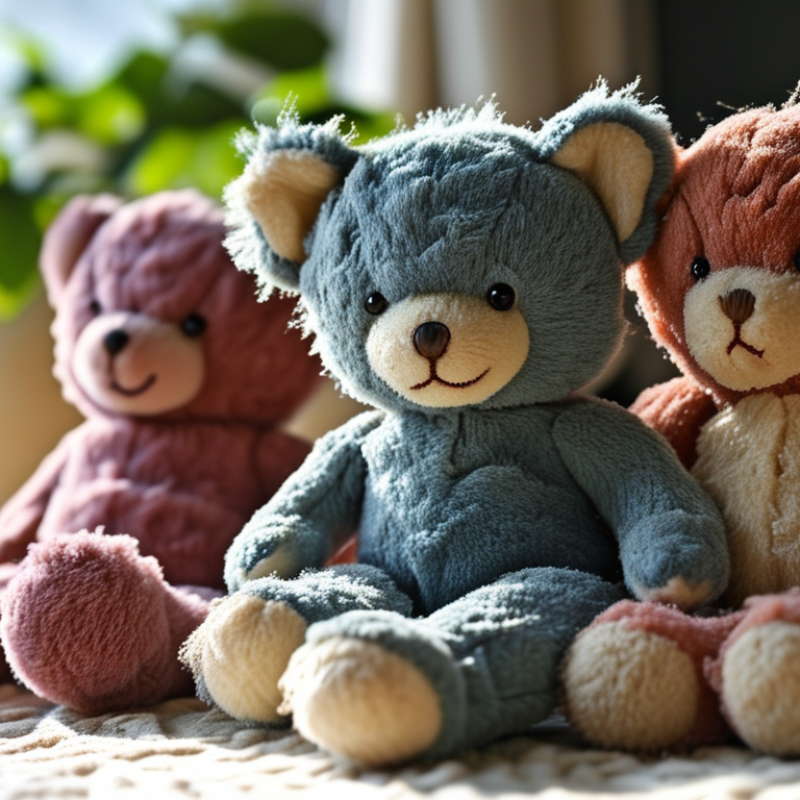
Why Do Plush Toys Lose Softness Over Time 7 Tips?
How Fiber Type, Pile Density, and Fill Determine Initial Softness
Initial softness begins with fiber engineering, not just touch. Textile Exchange’s 2024 Materials Market Report estimates global fiber production reached 124 million tonnes in 2023. Polyester represented about 57% of that volume. Its fine filaments can create a smooth, durable pile, but thicker fibers often feel slightly coarse. Fiber crimp also matters. More crimp can improve loft, while excessive crimp may reduce surface smoothness. A short, dense pile usually feels neat and velvety. A longer pile feels richer, but it can tangle sooner.
Pile density changes the first impression dramatically. Dense fibers hide the backing fabric and distribute pressure across more strands. Sparse piles may expose a stiff base cloth when squeezed. ISO 12947 abrasion testing measures wear through controlled rubbing, but it does not directly measure softness. That limitation matters. A toy can resist abrasion and still feel unpleasant. AATCC Evaluation Procedure 5 also recognizes fabric hand as a sensory judgment, not one universal number.
Fill controls the deeper squeeze. Fine polyester fiberfill usually produces a lighter, springier response than compact, coarse filling. Too little fill creates hollow areas near seams. Too much fill makes the toy feel tight instead of cuddly. In practical testing, I would compare equal-sized samples by compression, recovery, and surface touch. My own weakness is relying on fingertips alone. Temperature, skin moisture, and expectation can distort the result. A simple pressure gauge would make the comparison more reliable.
How Fiber Type, Pile Density, and Fill Determine Initial Softness
| Tip | Key Dimension | Typical Material or Construction Range | Effect on Initial Softness | Why Softness Decreases | Softness-Loss Risk | Practical Recommendation |
|---|---|---|---|---|---|---|
| 1 | Choose a fine synthetic fiber | Fine polyester or nylon fibers, commonly around 0.5–3 denier per filament in plush fabrics. | Fine fibers create a smoother hand feel and more flexible surface. |
Repeated rubbing can bend, flatten, or entangle the fine fibers, making the pile feel rougher or matted. | Medium | Prefer fine, densely packed fibers for a soft surface, but avoid aggressive brushing and high-friction storage. |
| 2 | Check pile density | Higher-density plush generally contains more fibers per unit of fabric area; density should be assessed together with pile height. | A dense pile feels fuller and helps conceal the backing fabric. |
Low-density or loosely anchored fibers are more likely to shed, separate, and expose a firmer fabric base over time. | High when density is low | Look for an even, opaque surface with minimal visible backing when the pile is gently parted. |
| 3 | Balance pile height | Short pile is often below 3 mm; medium pile is approximately 3–10 mm; longer pile exceeds about 10 mm. | Longer pile can feel exceptionally fluffy, while medium pile usually offers a balance of softness and resilience. |
Long fibers are more likely to tangle, compress, and form clumps. Short fibers may feel less plush but usually resist matting better. | Medium to High | Choose medium pile for frequently handled toys and reserve very long pile for decorative or low-contact use. |
| 4 | Select resilient fill | Common fills include polyester fiberfill, polyurethane foam, cotton, wool, and small plastic pellets. Polyester fiberfill is widely used for washable toys. | Evenly distributed, springy fill supports a soft shape without making the toy feel hollow. |
Compression, moisture, and repeated washing can cause some fills to flatten, clump, or migrate away from high-pressure areas. | Medium | Choose resilient, evenly distributed fill and periodically redistribute the stuffing by gently kneading the toy. |
| 5 | Limit friction and pressure | Frequent contact with clothing, furniture, car seats, bags, or bedding increases mechanical abrasion and pile compression. | Reduced friction helps the pile retain loft and alignment. |
Friction lifts surface fibers, while sustained pressure permanently flattens the pile and can deform the fill. | High in high-contact areas | Rotate the toy’s position, avoid carrying it against rough surfaces, and store it without heavy objects on top. |
| 6 | Use gentle washing and complete drying | Follow the care label; gentle cycles, cool or lukewarm water, mild detergent, and low mechanical agitation are generally less damaging. | Gentle care removes oils and dirt without excessive fiber stress. |
Hot water, strong agitation, harsh detergents, and high heat can increase felting, fiber damage, shrinkage, and fill clumping. | High with harsh care | Use a laundry bag when appropriate, avoid bleach and fabric softener unless the care instructions permit them, and dry thoroughly. |
| 7 | Restore the pile regularly | Surface dust, body oils, and humidity can bind fibers together even when the fabric itself is not permanently damaged. | Light grooming can restore loft and improve the tactile feel. |
Neglected dirt and moisture increase fiber friction and encourage matting, odor retention, and mildew growth in damp conditions. | Medium | Shake out the toy, spot-clean promptly, air-dry completely, and use a soft brush only when the care instructions allow it. |
Interpretation: Initial softness is determined mainly by fiber fineness, pile density, pile height, surface finish, and fill resilience. Actual service life varies with construction quality, handling frequency, washing method, humidity, and contact pressure. The material ranges shown are practical reference ranges rather than universal manufacturing specifications.
Fiber thickness, surface shape, pile density, and filling all matter. Fine fibers usually feel smoother. Dense, short piles often feel neat and velvety. Longer piles feel richer, but they may tangle sooner.
Dense piles spread pressure across many fibers. They also hide the firmer backing cloth. Sparse piles may reveal that base when squeezed. That detail can surprise you.
Friction, dust, sweat, and repeated washing gradually disturb the surface. Long fibers can knot around fingers and seams. A smooth first touch does not prove lasting softness.
Fine synthetic filling often feels light and springy. Too little filling can create hollow spots near seams. Too much filling can make the toy feel tight. Softness is not only a surface feature.
Check the care label before washing. Use cool water and mild detergent. Avoid bleach, high heat, and aggressive brushing. Dry the interior completely before storage.
Dab a hidden seam with a clean, damp white cloth. Look for dye marks on the cloth. This small test is useful, though it cannot predict every wash.
Look for stable fibers and firmly finished seams. Avoid loose fibers near stitched facial details. Check whether the backing fabric feels stiff through thin areas. Small gaps matter.
No. Safety checks usually address physical hazards, flammability, and material safety. They do not promise lasting softness. Repeated use still needs honest observation.
Compare equal-sized samples using compression, recovery, and surface touch. A simple pressure gauge can reduce personal bias. Fingertips alone are imperfect. Temperature and skin moisture can change the result.
Why do plush toys lose their softness over time? The main causes are the fiber type, pile density, and filling materials used at the beginning, followed by friction, pressure, moisture, and repeated washing. Dense, fine piles and resilient fills usually feel softer for longer, while loose fibers can flatten, tangle, or wear down more quickly. Abrasion testing under ISO 12947 helps reveal how repeated rubbing reduces pile height and damages surface fibers, while five accelerated wash cycles under AATCC TM61 can show how laundering speeds up softness loss.
Seven practical care habits can help preserve loft and surface smoothness: wash gently, use cool water, avoid harsh chemicals, place toys in a protective bag, limit agitation, air-dry away from high heat, and brush the pile lightly after drying. Material selection and cleaning guidance should also consider ASTM F963 and EN 71 requirements, helping maintain both softness and safe use throughout a toy’s life.

 Ottoman Toys