Understanding "what causes plush toy allergies in toddlers" is crucial for parents. Dr. Emily Johnson, an expert in pediatric allergies, emphasizes, "Identifying allergens early can prevent severe reactions." Allergies can stem from various sources, but plush toys often contain materials that provoke sensitivities.
Many plush toys are made from synthetic fibers and dyes. These materials can harbor dust mites, mold, and other irritants. For instance, an older toy might collect allergens over time. Parents may not realize that these seemingly harmless toys could trigger sneezing or rashes in their little ones.
It's essential to keep an eye on your toddler's reactions to different plush toys. If a particular toy leads to discomfort, it’s wise to remove it. Always wash and regularly check toys to minimize dust buildup. While it can be frustrating, taking proactive steps may reduce allergy symptoms. Recognizing "what causes plush toy allergies in toddlers" allows parents to create a safer environment for their young children.
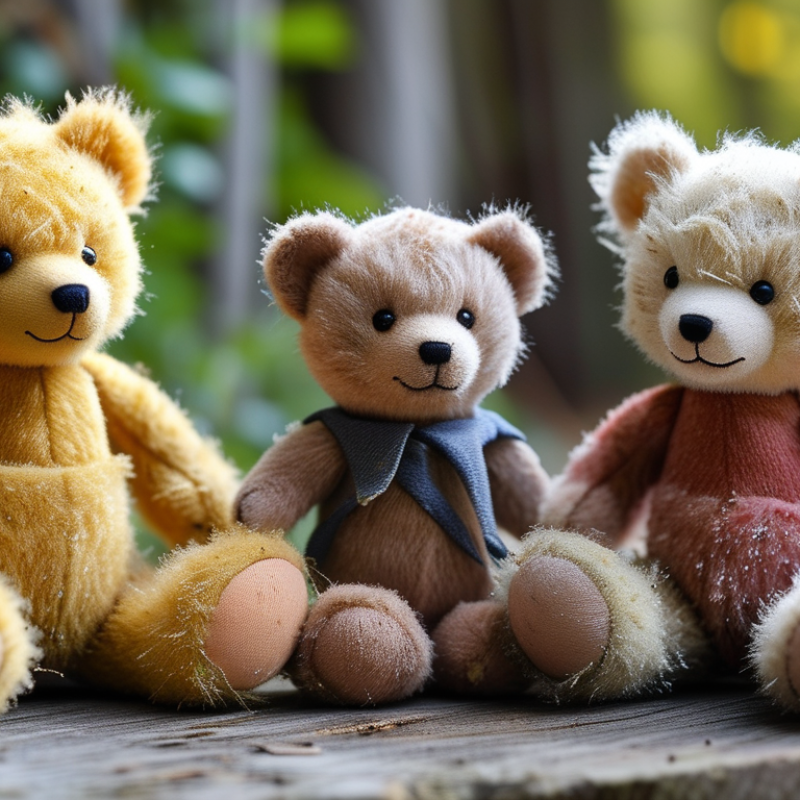
Understanding plush toy allergies in toddlers requires vigilance and awareness. Plush toys are often a source of comfort for young children, but they can also harbor allergens. Common culprits include dust mites, pet dander, and certain fabrics. It's crucial to observe any signs of allergic reactions, such as sneezing, rashes, or unusual irritability.
Frequent cleaning of plush toys can reduce allergen accumulation. Washing them regularly in hot water can help remove dust and allergens. However, some toys may lose their softness or shape after repeated washes. It’s essential to strike a balance between cleanliness and preserving the toy’s familiarity. In addition, consider hypoallergenic options when selecting new toys. This may help avoid potential reactions.
Parents should keep an eye on their toddlers' behaviors and reactions when playing with plush toys. Documenting instances of discomfort can provide valuable insights. Consulting with a pediatrician can also help clarify concerns. Understanding individual sensitivities is key. Each child's response to toys may differ, highlighting the need for tailored approaches to their comfort and care.
Plush toys are often a source of comfort for toddlers. However, many children may experience allergies due to certain materials. Understanding common allergens found in plush toys is crucial for parents.
One of the most prevalent allergens in plush toys is dust mites. These tiny creatures thrive in soft fabrics, triggering respiratory issues. Frequent washing of toys can help reduce dust mite populations. Another common allergen is the stuffing material itself. Some toys use synthetic fibers that can cause skin irritation and allergic reactions. Parents should opt for hypoallergenic options when selecting plush toys.
Additionally, it's important to consider chemical exposure. Many plush toys are treated with flame retardants and other chemicals. These substances can cause adverse reactions in sensitive children. Always check labels for safe materials. Although avoiding allergens completely may not be possible, being informed about potential triggers can vastly improve a toddler's comfort and health. It’s a challenge that requires ongoing attention and adaptation.
Toddlers can develop allergies to plush toys, which can lead to various symptoms. Common signs include sneezing, itchy skin, and rashes. Hives can also appear, especially in sensitive areas. If your child has frequent respiratory issues, it could be related to toy allergens. Pay attention to patterns; if symptoms worsen after playtime, it’s worth investigating.
Inspect plush toys for dust mites or pet dander. These are common allergens that can cause reactions. Regularly wash these toys in hot water. Dry them thoroughly to minimize allergens. Look for hypoallergenic materials when selecting new toys. Even the softest fabrics can carry allergens.
Monitor your child’s symptoms closely. Some kids may have mild reactions while others may react strongly. Keep track of when symptoms occur and consult a pediatrician. This can help identify specific triggers. A professional can guide you on allergy testing if needed. Recognizing symptoms early is key to managing allergies effectively.
Identifying plush toy allergies in toddlers can be complex. The first step involves observing symptoms like sneezing, rashes, or respiratory issues. Research indicates that about 10-30% of young children may suffer from some type of allergy. Common allergens found in plush toys include dust mites, pet dander, and certain synthetic materials. Toddlers have sensitive skin, making them more prone to reactions.
To assess if a plush toy is the culprit, keep a diary of your child's reactions. Document when they occur, the type of toy involved, and any other environmental factors. A study published by the American Academy of Pediatrics suggests that thorough cleaning can reduce allergens. Washing plush toys regularly and choosing hypoallergenic materials are essential strategies.
In some cases, consulting with an allergist may be necessary. They can run tests to identify specific triggers. It's important to note that not all toys labeled as "safe" hold true to their claims. Parental vigilance is key in protecting toddlers from allergic reactions while maintaining a safe and enjoyable play environment.
| Allergy Symptoms | Possible Causes | Identification Methods | Management Strategies |
|---|---|---|---|
| Skin Rashes | Nickel in any fasteners or decorative elements | Patch testing by a dermatologist | Use allergy-free plush toys |
| Sneezing and Runny Nose | Dust mites and pet dander trapping in plush toys | Allergy testing for environmental allergens | Regularly wash plush toys in hot water |
| Itchy Eyes | Mold spores on older toys | Inspect toys for mold and age | Use hypoallergenic toys and store them in dry areas |
| Coughing or Wheezing | Synthetic fibers causing irritation | Observation of symptoms with particular toys | Choose toys made from natural fibers |
| Headaches | Strong chemicals in manufacturing | Parental reporting and symptom journaling | Opt for toys labeled as chemical-free |
Plush toys bring joy to toddlers, but they can also trigger allergies. Understanding how to manage these allergies is crucial for parents. Common allergens include dust mites, synthetic materials, and animal hair. Regularly cleaning toys can help minimize these allergens. Wash plush toys in hot water every week. Consider using allergen-proof covers on pillows and beds. This creates a safer sleeping environment.
Keeping a close eye on your child’s reactions to certain toys is essential. If rashes or sneezing occur, it might be time to change the toy. Look for hypoallergenic alternatives. These options can reduce the risk of allergic reactions. Avoid toys with intricate designs that are hard to clean. Simple, washable toys are best for safety.
Creating a clean play area is vital. Vacuum carpets often and use air purifiers to reduce allergens. Natural fiber rugs and furniture can also help. Educate caregivers about allergy symptoms to ensure your child is always safe. Monitor any changes in your child’s health as they grow. Regular check-ups can provide insights into managing and preventing allergies.
: Common allergens include dust mites, synthetic fibers, and chemicals like flame retardants.
Dust mites can trigger respiratory issues, causing symptoms like sneezing and coughing.
Symptoms include sneezing, itchy skin, rashes, and hives. Pay attention to patterns after playtime.
Regularly wash toys in hot water and dry them thoroughly to minimize allergens like dust mites.
Opt for hypoallergenic materials and check labels for safe substances to avoid allergic reactions.
Keep a diary documenting symptoms, toys involved, and environmental factors to identify triggers.
Monitor symptoms and consult a pediatrician to discuss possible allergy testing if reactions persist.
Not all toys labeled as "safe" are reliable. Parents need to be vigilant and do their research.
Washing helps reduce allergens but may not eliminate them completely. Regular cleaning is still essential.
Avoiding all allergens is challenging. Being informed and proactive can improve your child's comfort and health.
Plush toy allergies in toddlers can be a significant concern for parents, and understanding what causes plush toy allergies in toddlers is crucial for effective management. Common allergens found in these toys include dust mites, pet dander, and synthetic materials, which can trigger allergic reactions. Symptoms may manifest as skin rashes, respiratory issues, or gastrointestinal discomfort, and recognizing these signs early is essential.
To identify plush toy allergies, caregivers can observe when symptoms arise and consider keeping a diary of any reactions. Strategies such as frequent washing of toys, choosing hypoallergenic materials, and limiting exposure to potential allergens can help prevent reactions. Overall, awareness and proactive management are key to ensuring toddlers are safe and comfortable while enjoying their plush companions.
Ottoman Toys