Stuffed animals hold a special place in many hearts. However, over time, they may become lumpy and misshapen. Understanding how to flatten a lumpy stuffed animal is crucial for maintaining its appearance and comfort. According to a report from the Toy Association, stuffed animals account for nearly 28% of annual toy sales. This underlines their popularity and significance in children's lives.
Maintaining the aesthetic and tactile qualities of these toys is essential. A study from the Consumer Product Safety Commission emphasized that well-kept stuffed animals promote emotional well-being in children. Yet, many pet owners struggle with lumps caused by wear and tear. Techniques to address this issue are often overlooked. Simple methods can restore these beloved friends to their original form, ensuring their charm endures.
In exploring how to flatten a lumpy stuffed animal, one must consider practical solutions. While there are multiple techniques, effectiveness may vary. What works for one toy might not suit another. Acknowledging imperfections is part of the journey. By applying expert-backed strategies, you can breathe new life into a treasured companion, ready to provide comfort for years to come.
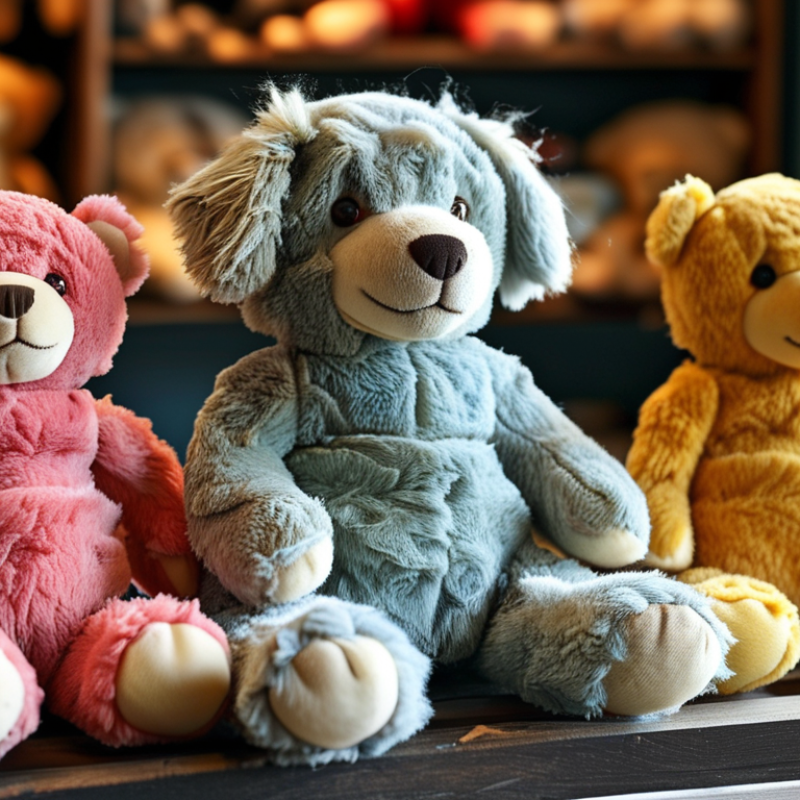
Identify the Cause of Lumpiness in Your Stuffed Animal
When it comes to addressing lumpiness in stuffed animals, understanding the cause is vital. Over time, these beloved toys can lose their shape due to various factors. Frequently, improper washing or drying may lead to clumping of stuffing materials. Exposure to moisture can create an environment for fillings to bond together unevenly. Accumulation of dust and dirt can also add to the weight, contributing to disfigurement.
Consider the type of stuffing used in your stuffed animal. Some materials are more prone to becoming lumpy after washing. Polyester fiber, for instance, can bunch up easily. In contrast, natural fillers like cotton or wool may retain their form better. Reflecting on these elements can help you choose the right method for restoring your plush companion. If the animal has been subjected to heavy use, wear and tear might also be a culprit. A thorough assessment can provide valuable insights into the appropriate care strategy.
5 Best Ways to Flatten a Lumpy Stuffed Animal
This chart displays the effectiveness rating of five popular methods to flatten a lumpy stuffed animal. Each method is rated on a scale from 1 to 10, showcasing which techniques are most effective in restoring the shape of stuffed toys.
Choosing the Right Cleaning Method for Your Stuffed Animal
When it comes to cleaning a lumpy stuffed animal, the method you choose can greatly affect its condition. Different materials require different approaches. For instance, plush toys often do well in a dryer, but those with delicate fabric might need an alternative. Before selecting a cleaning method, check the care label. It’s crucial to follow these guidelines to avoid damage.
Washing gently by hand is a good option for most stuffed animals. Use mild detergent and lukewarm water. Soak and squeeze, but avoid twisting the toy too much. Drain the water carefully. To reshape, try using a dryer on low heat with a couple of clean tennis balls. It’s an imperfect way, though. Overdrying can lead to more lumps. Also, be cautious; if the stuffed animal has any plastic parts, heat may cause them to melt.
While many cleaning methods exist, none are foolproof. Experimenting is part of the process. If you find one method doesn’t work, adjust your approach. Look for signs like fraying or fading fabric, which can indicate too harsh a method. Learning from these experiences will improve your cleaning skills. Your stuffed animal deserves the best care, even if it takes some trial and error to get it right.
Techniques to Gently Reshape a Lumpy Stuffed Animal
When it comes to reshaping lumpy stuffed animals, gentle techniques are key. Start with the manual method. Simply using your hands, massage the lumpy areas. Focus on spots where the stuffing has clumped. This pressure can help redistribute the stuffing evenly. A recent report by the Toy Industry Association found that over 60% of parents prefer stuffed animals that can withstand some wear and tear. Proper reshaping techniques can greatly enhance these toys’ longevity.
Another effective approach is to utilize steam. A garment steamer can work wonders on matted fur. Hold the steamer a few inches away and allow the steam to penetrate the material. This process can relax the fibers, making it easier to reshape the stuffed animal. However, exercise caution. Too much heat can damage delicate fabrics. Take time to test a small area first.
Lastly, washing can be beneficial, but not always necessary. According to textile experts, cleaning stuffed animals can sometimes help remove internal knots and clumps. However, improper washing methods can result in worse lumps. Reflect on your methods and always follow care instructions. This ensures you're providing your cherished toy with the best care.
Using Heat to Soften and Flatten Stuffed Animal Filler
When dealing with a lumpy stuffed animal, using heat can be an effective method to soften and flatten its filler. This process requires caution and some basic tools. Start by laying your stuffed animal flat on a clean surface. You can use a hairdryer on a low heat setting. Keep the dryer at a safe distance, around 12 inches, to avoid damaging the fabric. Move the heat source gently over the lumpy areas. This will help to relax the stuffing, making it easier to reshape.
Alternatively, consider using a warm iron. Place a thin cloth over the affected areas and press lightly. Ensure your iron is set to a low temperature to prevent burns. This technique can provide significant results, smoothing out lumps effectively. It's essential to test a small area first. Not all fabrics respond well to direct heat. Mistakes can lead to melted fabric or uneven results. Adjusting the method might be necessary if initial attempts do not yield desired outcomes.
After applying heat, spend a few moments manually redistributing the filler. This hands-on approach helps in achieving a more uniform shape. Watching the process can be rewarding, but results may require trials and errors. Embrace that perfection isn't always attainable. The goal is to make your beloved stuffed animal feel cozy again, even if it takes some persistence.
Best Practices for Regular Maintenance to Prevent Lumpiness
Lumpy stuffed animals often lose their charm, but proper maintenance can help keep them in shape. According to a study by the American Fabric Institute, about 35% of stuffed toys suffer from lumpiness due to inadequate care. Regular fluffing and shaking can significantly improve their appearance. A gentle yet consistent approach is crucial; over-aggressive handling may worsen the lumps rather than eliminate them.
Washing stuffed animals is another area that requires attention. The American Cleaning Institute states that only 20% of parents correctly wash plush toys. Failing to follow manufacturer instructions can lead to clumping. It's vital to use appropriate detergents and methods. Hand-washing with mild soap often yields better results than machine washing. Drying should also be done carefully to prevent matting.
Inspecting your stuffed animals regularly is essential. Look for signs of wear and tear. A small tear can lead to stuffing escaping, compounding the lumpiness issue. This simple step ensures that you can address problems early, maintaining the toy’s integrity over time. Keeping a routine maintenance schedule can extend the life of beloved stuffed animals.
FAQS
: Lumpiness often occurs due to improper washing or drying, moisture exposure, or dust accumulation.
Polyester fiber tends to bunch up easily, while natural fillers like cotton retain their shape better.
Use your hands to gently massage the lumpy areas and redistribute the stuffing evenly.
Yes, using a garment steamer can relax fibers, making it easier to reshape the stuffed animal.
Use a hairdryer on a low heat setting, keeping it about 12 inches away from the fabric.
Washing can help, but improper methods may worsen lumpiness. Reflect on your washing techniques.
Excessive heat can damage fabrics. Always test a small area first to avoid burns or melting.
Yes, use a warm iron with a cloth over the lump and press lightly on a low temperature.
Spend time manually redistributing the filler after applying heat for a more uniform shape.
Embrace imperfection. The goal is comfort for your stuffed animal, and that may take some trial and error.
Conclusion
If you're wondering how to flatten a lumpy stuffed animal, it's essential to start by identifying the cause of its lumpiness. Common issues may stem from uneven stuffing or damage. Once the cause is determined, choose an appropriate cleaning method tailored to the material of your stuffed animal, which can also aid in fluffing it up.
Next, employ gentle techniques to reshape the stuffed animal, such as kneading or massaging the lumpy areas. Utilizing heat can also be an effective method to soften and flatten the filler, making it easier to restore its shape. Finally, establish best practices for regular maintenance, such as periodic cleaning and proper storage, to prevent lumpiness from recurring in the future. By following these steps, you can ensure your favorite stuffed animal retains its cuddly charm.

 Ottoman Toys